Seeing Plainly: Development Of Eyeglasses


Produced By-Clayton Brandt
Spectacles have come a long way since their origins decades ago, evolving from plain magnifying lenses to refined tools that enhance our vision and match our individual style. As they continue to be an vital accessory for millions of individuals worldwide, the range of options now available allows users to select spectacles tailored to their particular needs, including prescription eyeglasses for optical correction, trendy frames for men and women, and even kids' eyeglasses designed for comfort and durability.
In a world where options abound, understanding the multiple types of eyeglasses, such as transition lens eyeglasses and those designed for specific vision issues, is important for making informed decisions. With an rising number of people debating eyeglasses versus contact lenses, it's important to consider factors like price, lens coatings, and the latest trends in eyewear. Whether you are aiming to enhance your sight or simply express your unique style, navigating the evolution of eyeglasses can bring focus and confidence to your everyday life.
Types of Eyeglasses
Eyeglasses come in various types to meet varied vision needs and personal preferences. One of the most popular types is prescription glasses, which are customized to an individual's specific vision correction needs. These glasses are crafted to correct refractive errors such as nearsightedness, hyperopia, and irregular vision. Prescription eyeglasses can be customized with features like progressive lenses, which provide a seamless transition between various prescriptions for a cohesive visual experience.
In addition to standard prescription options, there are also unique eyeglasses designed for particular conditions. For example, eyeglasses for irregular vision have specific lens curvature that counters the uneven shape of the cornea, allowing for distinct vision. Some people may also explore affordable eyeglasses, which can provide essential vision correction without a considerable price tag. These wallet-friendly options are available in a variety of styles and can serve both men and women, as well as children.
Another important consideration is the decision between eyeglasses and contact lenses. While some individuals may prefer the ease and aesthetic appeal of contact lenses, others find eyeglasses to be a more convenient and simple solution. Ultimately, how to choose eyeglasses should reflect individual style, comfort, and visual needs, ensuring the ideal match for the wearer’s lifestyle.
Choosing the Perfect Glasses
Selecting the perfect eyeglasses requires recognizing your individual vision requirements and way of life. Begin with considering your eye prescription; in case one have an astigmatism, make sure that one select glasses particularly made for that issue. Additionally, consider regarding if you require multifocal lenses, that allow for various prescriptions within one pair, alternatively if single-vision lenses would be sufficient. A detailed vision test can help you understand these needs more clearly.
After determining the eye prescription kind, it's important that you concentrate on style and fit. Eyeglasses for males and women are available in various styles, hues, and shapes, allowing you for show your individuality and maintaining proper fit. When try on Eyeglasses For Narrow Face , pay attention to the way they feel against the features and if the frames stay in place. Remember, one will probably wear them for extended periods, so comfort is paramount.
In conclusion, think about extra factors that can enhance the satisfaction. Anti-reflective coated glasses can reduce glare, making it ideal for those who that work on computers and drive often. Additionally, explore budget-friendly eyeglasses choices which do not sacrifice quality. Children likewise require eyeglasses designed for kids’ dimensions and activities, therefore ensure one picks kids’ eyeglasses that are long-lasting yet fashionable.
Eyeglasses for Unique Requirements
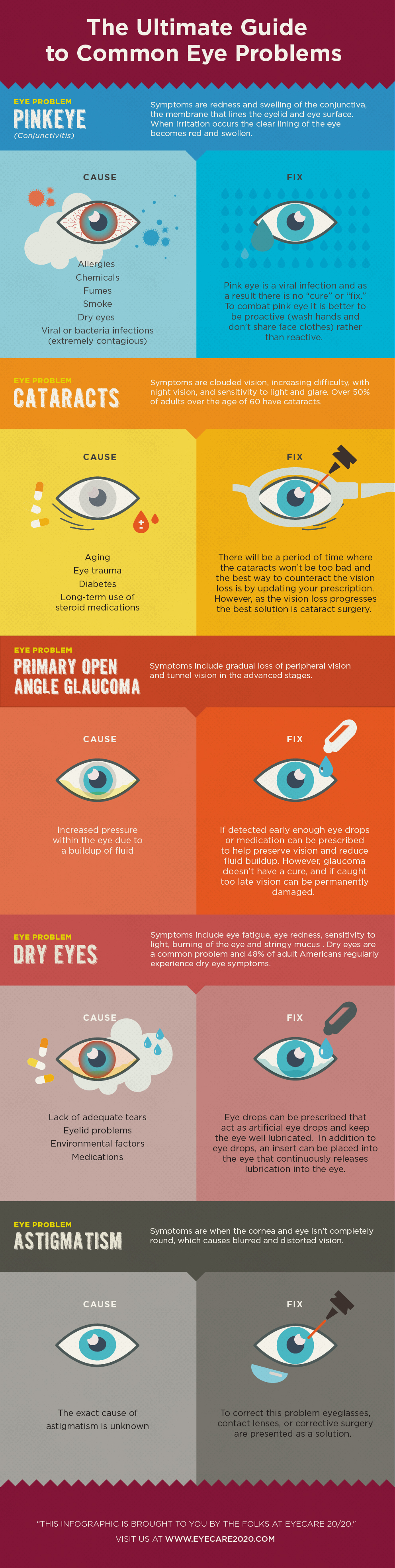
When it comes to finding the right glasses, specific needs can differ widely among patients. For those struggling from astigmatism, specific eyeglasses are important. These lenses are engineered to address the uneven shape of the cornea in the visual system. Eyeglasses for astigmatism typically include specialized components that ensure light is focused accurately on the retina, offering clearer sight. It's crucial for individuals with this condition to talk to an eye care professional to receive a proper prescription that considers the unique shape of their eyes.
Another consideration is progressive lens eyeglasses. source web page offer a seamless blend between multiple vision prescriptions, accommodating those who need vision correction for both close and far distances. They are particularly beneficial for people entering their 40s and older, as age-related vision change—a common change—can make it challenging to focus on nearby objects. Choosing these lenses can alleviate the need for multiple pairs of eyewear, making them a useful solution for anyone seeking a multifunctional solution.
For parents, children's eyeglasses are an essential investment in their visual health. Kids are often playful, and selecting sturdy yet stylish frames can make wearing glasses more inviting to them. It's important to ensure that children's eyeglasses provide proper support for their growing eyes while also being comfortable and secure for daily wear. Regular eye exams are essential to monitor any changes in vision and confirm that children have the right sight correction as they develop.
Comparing Glasses and Contact Lenses
When it comes to selecting among glasses and contacts, personal preference has a significant part. Eyeglasses offer ease and ease of use, requiring little care. Simply place them on to see clearly, and if not in use, they can sit comfortably on a shelf. They further offer a degree of safeguarding for the eyes from external elements, such as dust and airflow, which makes them a sensible choice for many.
Conversely, contact lenses offer a distinct experience. They rest squarely on the eye, providing a more natural view without the lenses obstructing side vision. This can be especially beneficial for those who maintain an active lifestyle or participate in sports. Moreover, contacts are available in multiple styles, including specialized options like contacts for astigmatism, which can cater to specific eye care requirements.
In the end, the decision of eyeglasses and contacts depends on preferences, personal comfort, and style choices. Certain individuals opt to have both available, using eyeglasses for daily use and transitioning to contact lenses for events or active pursuits. Whether you choose prescription eyeglasses or contact lenses, the important factor is to find what suits you for your vision and daily life.